Harvest Doesn't End in the Field
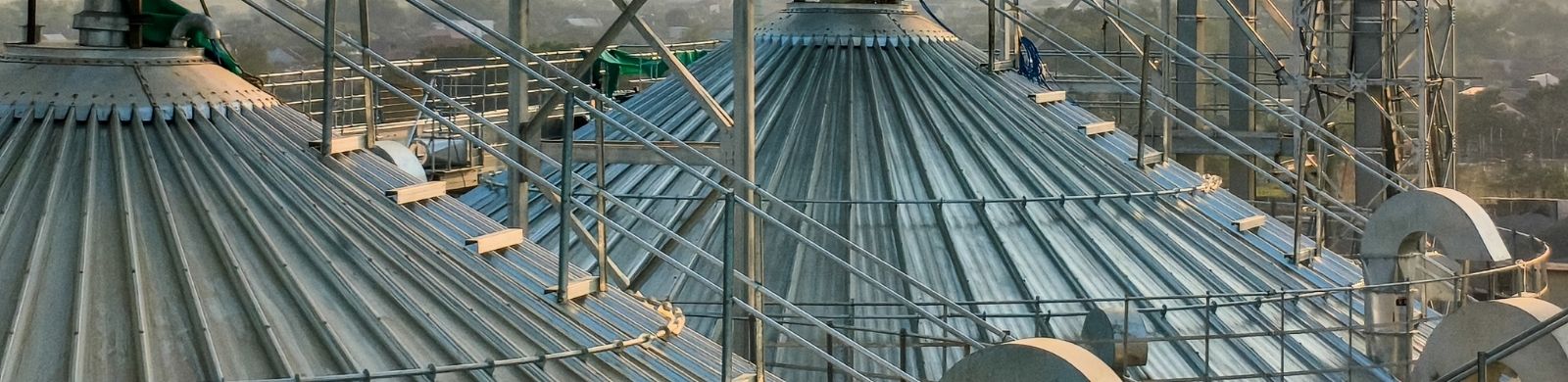
As late summer gives way to fall, harvest season begins ramping up across much of the United States and Canada. Combines move into fields of corn, soybeans, wheat, and other crops—but harvesting is only the first step in a much larger operation.
Once the grain leaves the field, another operation is already beginning.
Conveyors move it. Bucket elevators lift it. Fans move air through it. Dryers prepare it for storage. Pumps support processes throughout the facility. And behind nearly every step is an electric motor keeping the system moving.
That matters because harvested grain doesn't simply wait until it reaches the facility. Grain remains biologically active after harvest, and proper handling, drying, aeration, and storage all play a role in maintaining its condition and protecting its quality.
For producers, then, the race isn't simply to harvest the crop. It's to keep it moving—and protect it after it leaves the field.
Every Bushel Has a Journey
The path from field to storage involves far more equipment than many people realize.
Once grain arrives from the field, receiving equipment takes over. Conveyors and bucket elevators transfer material between processes, moving it toward drying equipment or storage bins. Motors may start under load, operate for extended periods, and keep material flowing during some of the busiest days of the agricultural calendar.
From there, the equipment—and the motor's job—changes.
A conveyor moves material horizontally.
A bucket elevator moves it vertically.
A dryer fan moves air.
An aeration fan maintains conditions inside storage.
An irrigation pump elsewhere on the farm faces an entirely different operating profile.
The machines may all support the same agricultural operation, but the demands placed on their motors can be very different.
One harvest. Several applications. Very different jobs for the motors behind them.
Sometimes, the Machine Is Moving Air
When people picture agricultural equipment, they naturally think of tractors, combines, and irrigation systems.
But some of the most important equipment operating after harvest is moving something you can't see: Air.
In grain drying systems, fans force controlled airflow through harvested grain as part of the drying process. Once grain enters storage, aeration fans perform a different job: moving comparatively small volumes of air through the grain mass to help maintain more uniform storage conditions.
Those may sound like similar applications, but from the motor's perspective, their operating requirements can differ substantially.
Dryer fans may operate under demanding seasonal workloads when harvested grain is arriving rapidly. Aeration systems may run according to grain and weather conditions over a much longer storage period. In either case, fan performance becomes part of protecting what has already been harvested.
And those fans depend on motors capable of keeping them operating when they're needed.
The combine may get the attention. But once the crop reaches storage, airflow becomes part of the operation.
Reliability Matters Because Harvest Doesn't Wait
Unlike many industrial operations, harvest follows nature's schedule.
Once crops reach maturity, producers often have a limited window to bring them in before changing weather conditions begin affecting yield or quality. During that period, grain-handling equipment may operate for long hours with little room for interruption.
And these systems don't operate independently.
If receiving equipment stops, trucks can begin backing up.
If a conveyor or bucket elevator goes down, material can't reach the next stage of the process.
If a fan is unavailable when it's needed, drying or storage operations may have to wait.
A single motor failure, therefore, isn't necessarily an isolated maintenance problem.
It can become a bottleneck.
The operating environment adds another layer to the challenge. Agricultural motors may encounter dust and other contaminants, temperature fluctuations, extended operating periods, frequent starts, or heavy seasonal workloads depending on the application.
That's what makes reliability especially important during harvest: every machine doesn't have to perform the same job, but each one has to be ready when its part of the process begins.
Built for the Job After the Field
The variety of equipment used after harvest also illustrates why motor selection cannot be reduced to horsepower alone.
A motor driving a grain-handling conveyor doesn't necessarily face the same operating demands as one powering an aeration fan, grain dryer, or irrigation pump.
Starting requirements can differ.
Operating hours can differ.
Loads can differ.
Environmental exposure can differ.
Even two motors with similar horsepower ratings may need different characteristics because the applications are asking them to do different things.
That's why Marathon Electric® offers motors developed for agricultural applications. The Marathon® Farm Duty motor portfolio is designed to support equipment used throughout agricultural operations, including applications such as fans, conveyors, pumps, and other farm machinery.
Depending on the equipment and operating environment, other Marathon® motor families may also be appropriate where an application requires additional protection from contamination, continuous operation, or harsher environmental conditions.
The important question isn't simply, How much horsepower does this machine need?
It's also: What is this motor actually being asked to do?
Matching the motor to the application helps build reliability into the operation before the busiest part of the season begins.
The Work Continues
Harvest may begin with the machines moving across the field, but protecting what they collect depends on what happens next.
Different equipment takes over at every stage—and different motors take on different jobs.
Conveyors, elevators, fans, dryers, pumps, and storage systems may operate largely out of sight compared with the combine in the field, but together they form the infrastructure that keeps the harvest moving toward its final destination.
Because bringing in the crop is only half the challenge. Keeping everything moving afterward is what gets it safely to the next stage.