Is America Ready for Industry 2050? Five Trends Reshaping Manufacturing
Is America Ready for Industry 2050? Five Trends Reshaping Manufacturing
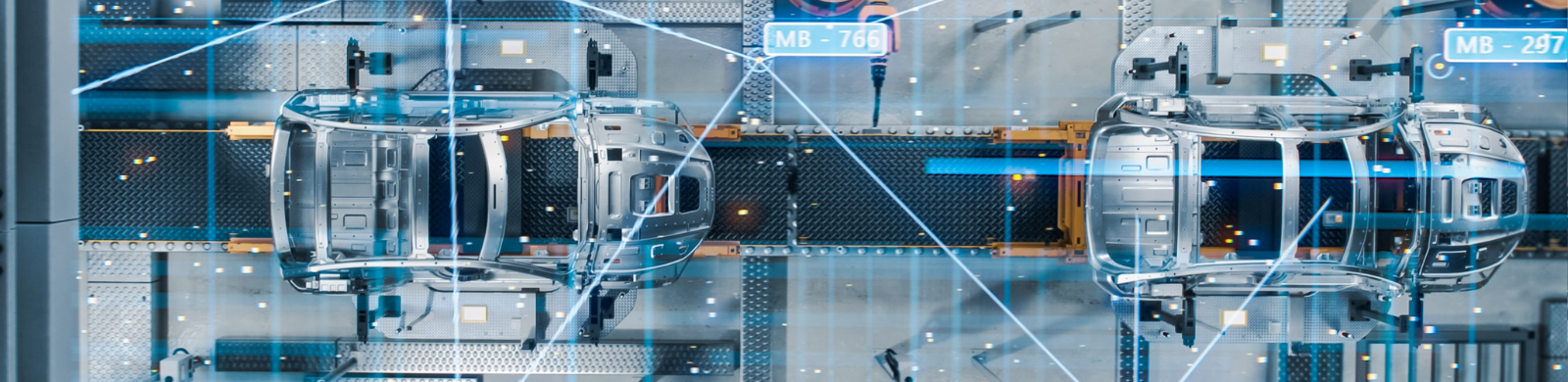
American manufacturing is entering another period of transformation. Artificial intelligence is moving from pilot projects into daily operations. Electricity demand is rising after decades of relatively modest growth. Companies are investing billions in new facilities while modernizing existing ones to improve efficiency, reliability, and resilience.
No one can predict exactly what manufacturing will look like in 2050, but several long-term trends are already reshaping how industrial facilities are designed, powered, and operated.
1. Electricity Demand Is Accelerating
For decades, electricity demand in the United States grew relatively slowly. That trend is changing.
The rapid expansion of artificial intelligence, cloud computing, electrification, and advanced manufacturing is placing new demands on the nation's electrical infrastructure. According to Lawrence Berkeley National Laboratory, electricity consumed by U.S. data centers increased from 58 terawatt-hours (TWh) in 2014 to 176 TWh in 2023 and is projected to continue growing significantly through the remainder of the decade.
Meeting that demand requires far more than additional power generation. Every megawatt of new electrical load also creates demand for supporting infrastructure—including cooling systems, cooling towers, pumps, industrial electric motors, ventilation equipment, and reliable backup generators. As data centers, factories, and other high-load facilities expand, so does the need to move more water, circulate more air, reject more heat, and maintain continuous operation.
As demand for electricity, industrial automation, and critical infrastructure continues to grow, Marathon Electric is helping meet that demand through reliable electric motors, generators, and drive solutions designed for efficiency, uptime, and long-term performance.
2. Efficiency Is Becoming a Competitive Advantage
As electricity demand and operating costs continue to rise, efficiency is no longer simply an engineering objective—it has become a business strategy. Manufacturers are increasingly evaluating equipment based not only on purchase price, but on lifetime operating costs, energy consumption, maintenance requirements, and reliability.
High-efficiency motors continue to play a central role in reducing energy consumption across industrial facilities. While NEMA Premium® remains the efficiency benchmark for many applications in North America, manufacturers are increasingly introducing IE4 ultra-premium efficiency motors, including permanent magnet technologies, to help facilities achieve even greater energy savings. Combined with variable frequency drives (VFDs), these solutions allow motor output to more closely match process demand, reducing energy consumption in applications such as pumps, fans, compressors, and material handling systems.
Efficiency also supports another growing priority: decarbonization. As organizations pursue sustainability goals and seek to reduce operational emissions, improving motor and system efficiency often becomes one of the most practical ways to lower energy use without sacrificing productivity.
Rather than relying on a single breakthrough, tomorrow's efficiency gains will come from hundreds of smarter equipment decisions made throughout every facility.
3. Artificial Intelligence Is Changing Plant Operations
Artificial intelligence is rapidly becoming another tool for industrial operations—not by replacing skilled workers, but by helping them make better decisions. Beyond dashboards and reporting, AI is increasingly supporting production scheduling, predictive maintenance, quality inspection, procurement, workforce planning, and energy optimization.
As facilities become more connected, these systems can identify patterns that would be difficult for operators to detect manually, allowing maintenance teams to address potential issues before they become unplanned outages.
The most successful manufacturers will likely combine experienced personnel with intelligent technologies that improve productivity while allowing employees to focus on higher-value work.
Technology will continue providing better information. People will continue providing the judgment.
4. Domestic Investment Continues to Reshape Manufacturing
Across the United States, manufacturing investment continues at an unprecedented pace. New semiconductor facilities, battery plants, food processing operations, data centers, distribution hubs, and industrial manufacturing campuses are being built across the country. Existing facilities are also expanding production capacity and modernizing aging infrastructure.
These investments extend far beyond construction. Every new facility requires electrical equipment, motors, drives, generators, ventilation systems, pumps, compressors, and long-term maintenance support.
For suppliers serving industrial markets, these projects represent years of opportunity long after construction crews leave the site.
5. Reliability Remains Essential
As manufacturing becomes more automated and interconnected, the cost of downtime continues to increase. Production interruptions can affect customer commitments, supply chains, operating costs, and workforce productivity. At the same time, skilled labor shortages are encouraging manufacturers to maximize equipment uptime through predictive maintenance and smarter asset management strategies.
Facilities are increasingly shifting from reactive maintenance toward condition-based maintenance and long-term reliability planning.
The question is no longer simply: "How do we repair equipment after it fails?"
Instead, manufacturers are asking: "How do we prevent failures from occurring in the first place?"
That philosophy influences everything from equipment selection to maintenance planning and overall plant design. For more than 113 years, Marathon Electric has embraced that same philosophy—engineering industrial electric motors and generators designed to deliver the reliability manufacturers depend on, year after year.
Looking Toward Industry 2050
By 2050, American manufacturing will almost certainly be more connected, more electrified, and more intelligent than it is today. Artificial intelligence will support faster operational decisions. Electrification will continue expanding across industrial sectors. Facilities will pursue greater efficiency while balancing reliability, sustainability, and productivity.
The technologies will continue evolving, but the objective will remain remarkably consistent: helping industrial operations run safely, efficiently, and reliably.
The manufacturers that succeed over the coming decades will not simply adopt new technologies—they will combine innovation with dependable engineering, resilient infrastructure, and a long-term commitment to operational excellence.