Built for Change: Marathon Electric Through More Than a Century of Industry
Built for Change: Marathon Electric Through More Than a Century of Industry
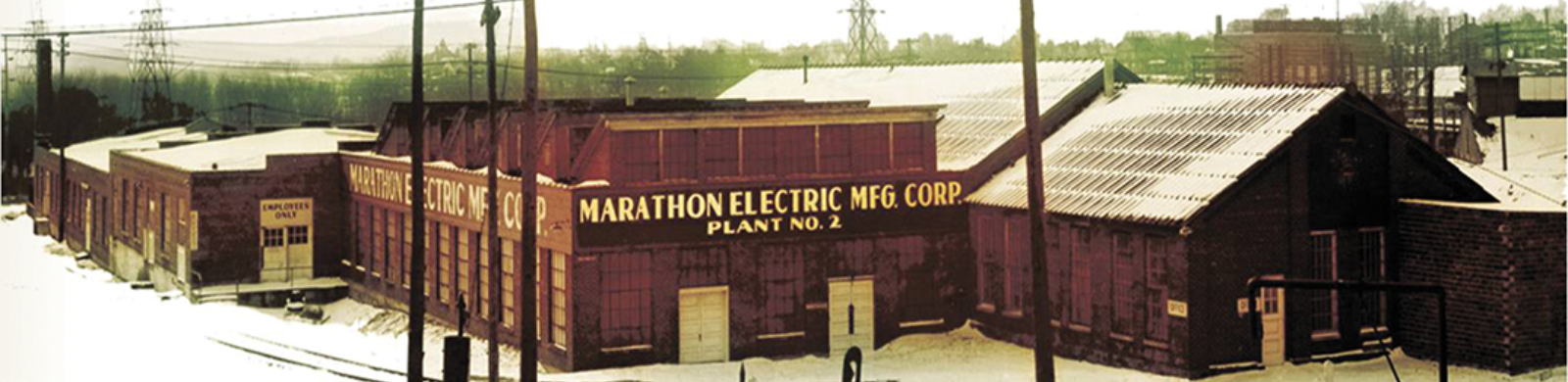
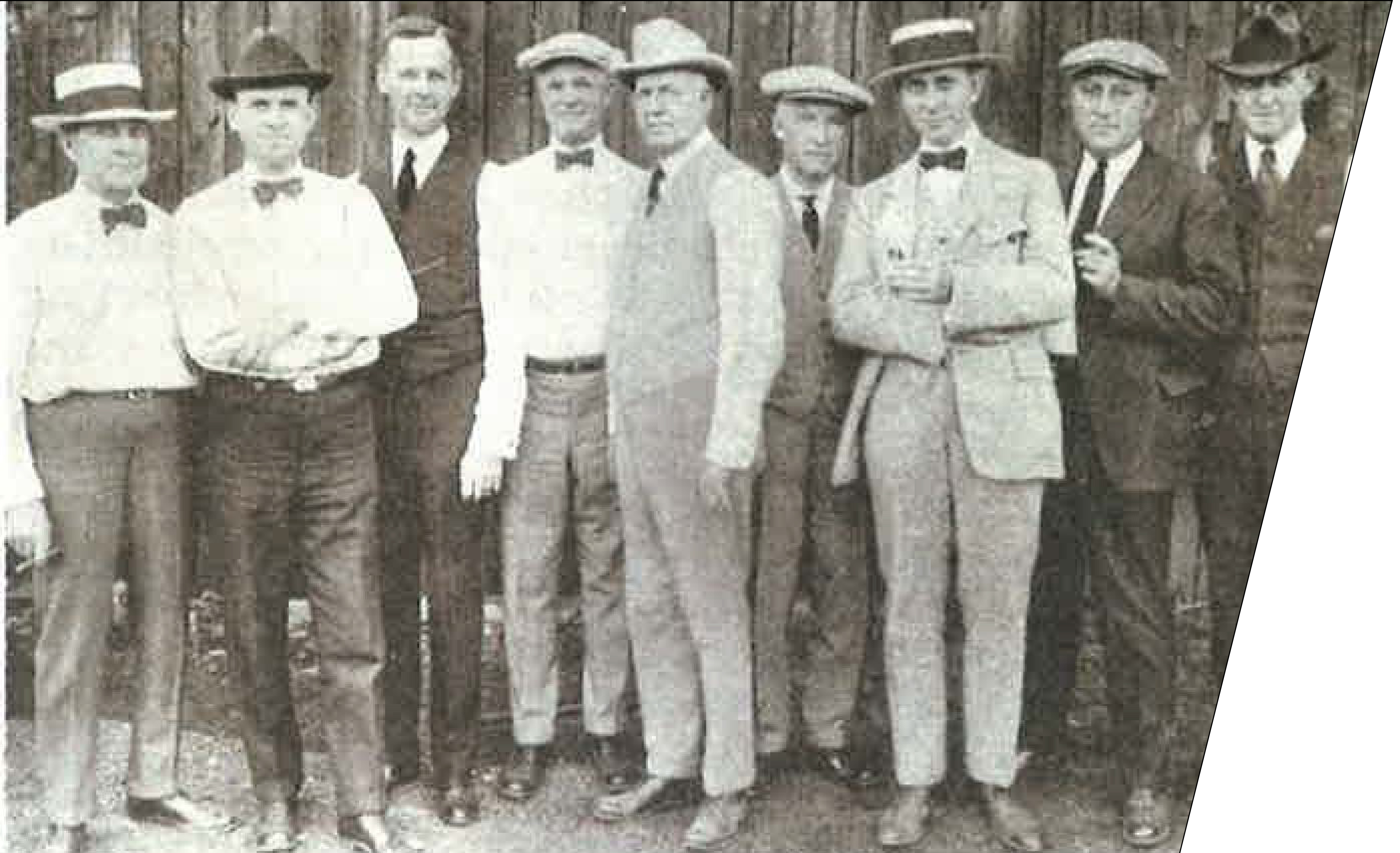
In 1913, Woodrow Wilson had just entered the White House. Ford was introducing the moving assembly line. Electrification was beginning to reshape factories across the country. And in Wausau, Wisconsin, two former Westinghouse employees arrived with an ambitious idea. E.M. Bischoff, a salesman, and Justin Lebovic, a design engineer, wanted to build electric motors.
What they lacked in capital, they made up for with vision.
What they found in Wausau was a community looking for its own future.
At the time, the local lumber industry that had fueled the region's growth was beginning to decline. Community leaders were looking for ways to diversify the economy and attract new manufacturing opportunities. With support from a group of local investors, Marathon Electric was founded.
The first facility measured just 12,000 square feet. Its primary product was a quarter-horsepower motor used in washing machines. During its first year, Marathon generated approximately $35,000 in sales—about $1.2 million when adjusted to today's purchasing power.
More than a century later, it is remarkable to consider how much has changed—not only for Marathon Electric, but for the industries it serves.
Growing Through the Toughest Years
The first major test came almost immediately. In 1931, as the Great Depression gripped the nation, businesses across nearly every industry faced extraordinary pressure. Demand collapsed. Factories closed. Many manufacturers struggled simply to survive.
Yet Marathon continued moving forward. By 1932, the company remained profitable and had increased annual production from approximately 17,000 motors to nearly 57,000.
The lesson was not simply about growth. It was about adaptability.
Every generation of manufacturers faces its own challenges. Economic uncertainty, shifting markets, supply chain disruptions, and changing customer expectations are not unique to any one era. The companies that endure are often the ones that find ways to adapt.
Marathon's early history demonstrated that principle long before terms like resilience and business continuity became part of the industrial vocabulary.
Growing Alongside American Industry
As American industry expanded, Marathon expanded with it. By 1940, annual production had reached approximately 200,000 motors.
Following World War II, industrial growth accelerated again, creating demand for additional manufacturing capacity. A new 72,000-square-foot facility in Wausau helped increase production to a record 312,000 motors annually by 1947.
Over the decades that followed, the company continued evolving alongside the industries it served. New facilities were added. Engineering capabilities expanded. Product offerings grew. Generator manufacturing became an increasingly important part of the business, helping establish Marathon as a major supplier of both motors and generators.
As industrial applications became larger and more complex, Marathon expanded its capabilities to serve a broader range of markets and operating environments.
The industries changed. The applications changed. Customer expectations changed. Marathon changed with them.
Innovation Has Always Been Part of the Job
One of the easiest ways to understand Marathon's history is to look at how industrial technology has evolved. In the company's early years, simply electrifying equipment represented innovation. Later came advances in materials, insulation systems, manufacturing processes, and motor design.
In 1981, Marathon introduced the Blue Chip® motor line to help address growing demand for energy-efficient solutions. As industrial facilities became more sophisticated, attention shifted toward efficiency, reliability, and performance optimization.
Today, industrial customers are increasingly focused on technologies such as variable frequency drives, ultra-high-efficiency motor systems, permanent magnet technologies, and solutions designed to improve overall operational performance.
The technologies continue to evolve. The objective remains familiar. Industrial customers still want equipment that helps facilities operate reliably, efficiently, and productively. That has been true for generations.
Looking Forward
The future of industry will undoubtedly look different from its past. Artificial intelligence is becoming part of industrial conversations. Automation continues to expand. Data centers are driving unprecedented demand for electrical infrastructure. Manufacturers are searching for new ways to improve productivity, efficiency, and resilience.
Yet some of the most important investments remain surprisingly practical.
Preparing for the Next Chapter
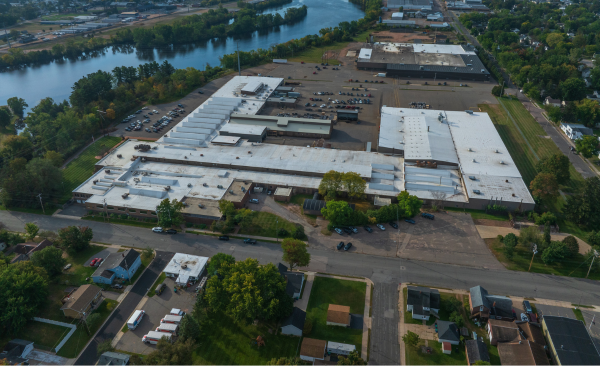
Looking ahead means continuing to invest in the capabilities that industrial customers depend on every day. Current initiatives
include manufacturing facility improvements, an expanded warehouse network, increased inventory availability, continued investment in customer service, and a new e-commerce platform designed to make product information and purchasing more accessible.
These investments reflect Marathon Electric's continued commitment to supporting American industry with dependable industrial electric motors, generators, and responsive customer support. As manufacturers prepare for the next generation of industrial innovation, Marathon Electric is focused on delivering the products, availability, and expertise customers need to keep their operations moving.
What Has Endured Since 1913
Over the past century, American industry has experienced extraordinary change. Factories have transformed. Technology has transformed. Markets have transformed. Yet some priorities remain remarkably consistent.
Plant managers still care about reliability. Maintenance teams still want equipment that lasts. Engineers still look for ways to improve efficiency and performance. Operations teams still focus on uptime.
For more than a century, Marathon Electric has adapted to changing technologies, changing industries, and changing customer expectations while supporting those same priorities.
The founders who opened a small motor plant in Wausau in 1913 could not have imagined today's automated factories, global supply chains, or data centers. But they would likely recognize something familiar.
The industries may look different. The challenges may look different. The need for dependable performance does not.
More than 110 years after its founding, Marathon Electric continues to evolve alongside the customers and industries it serves—helping power the next chapter of American industry while building on a legacy that began in Wausau more than a century ago.